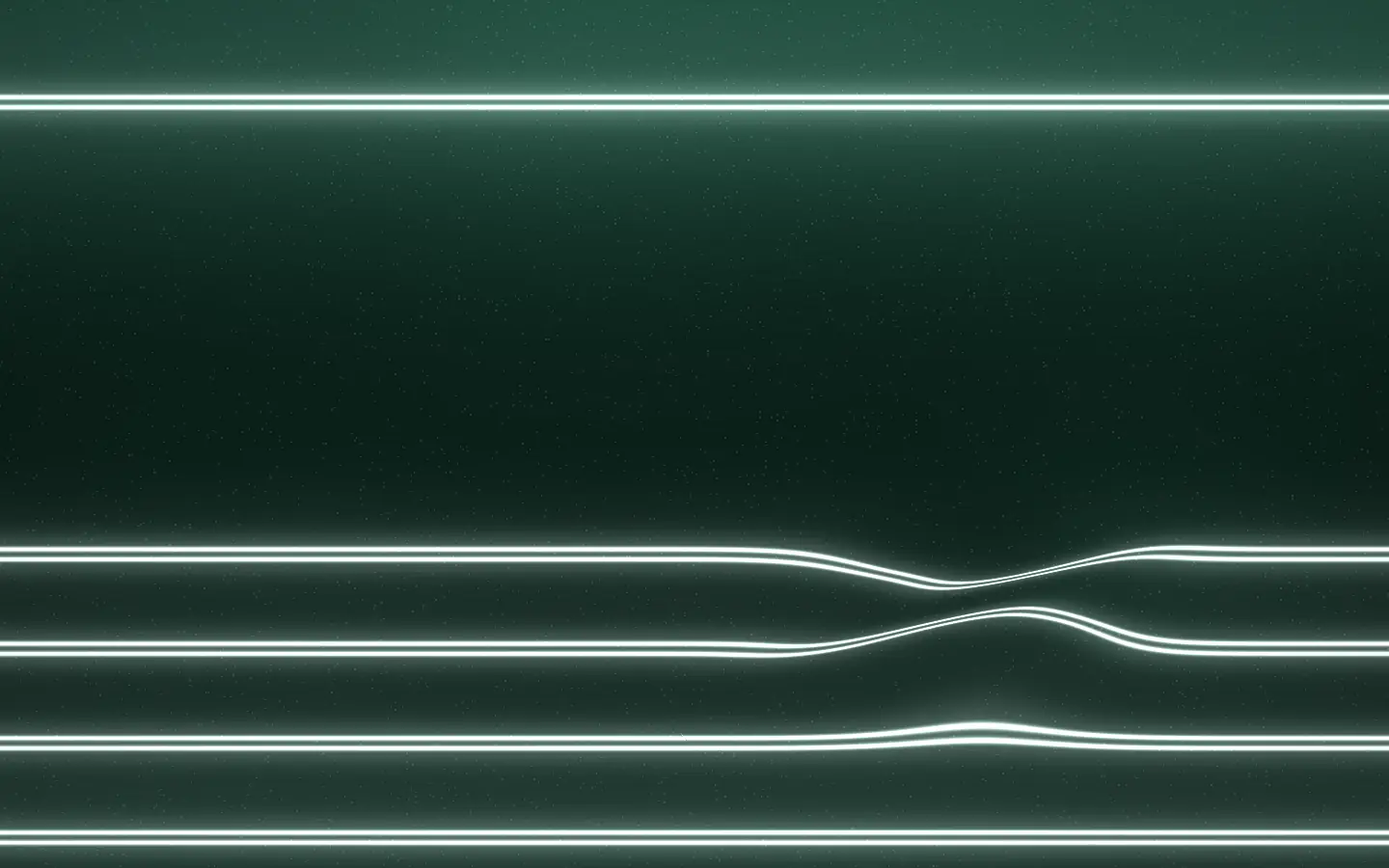
Look along the lines of light
Collision and paint repair in Etobicoke
We fix dents, scrapes and crash damage so the colour matches and nothing looks patched. Estimates are free and written down.
How a dent is fixed, in ten steps
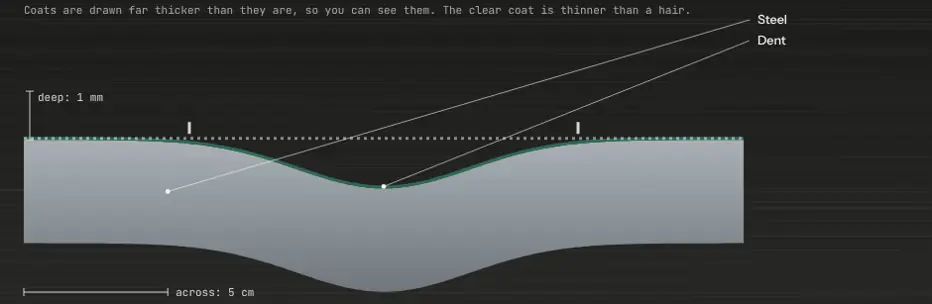
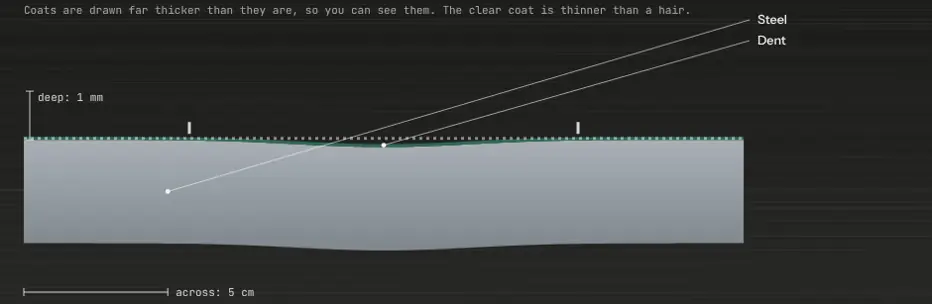
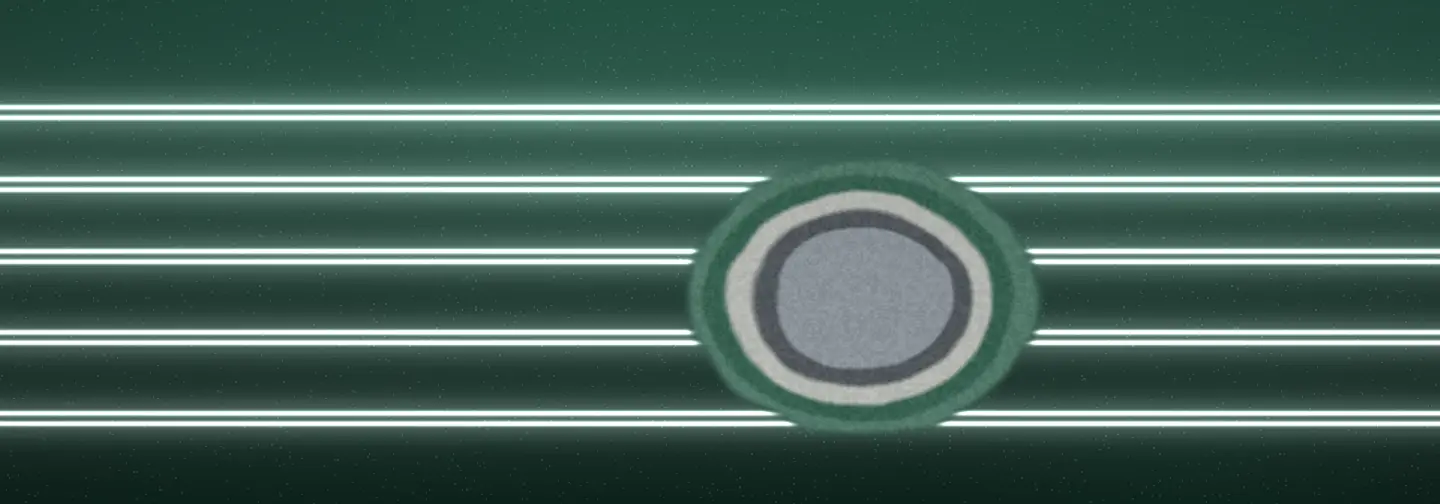
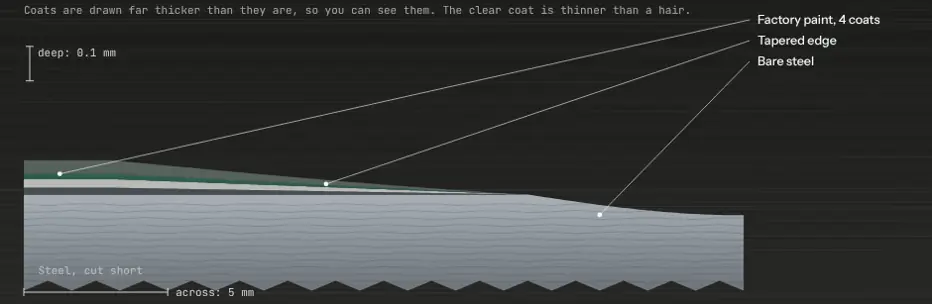
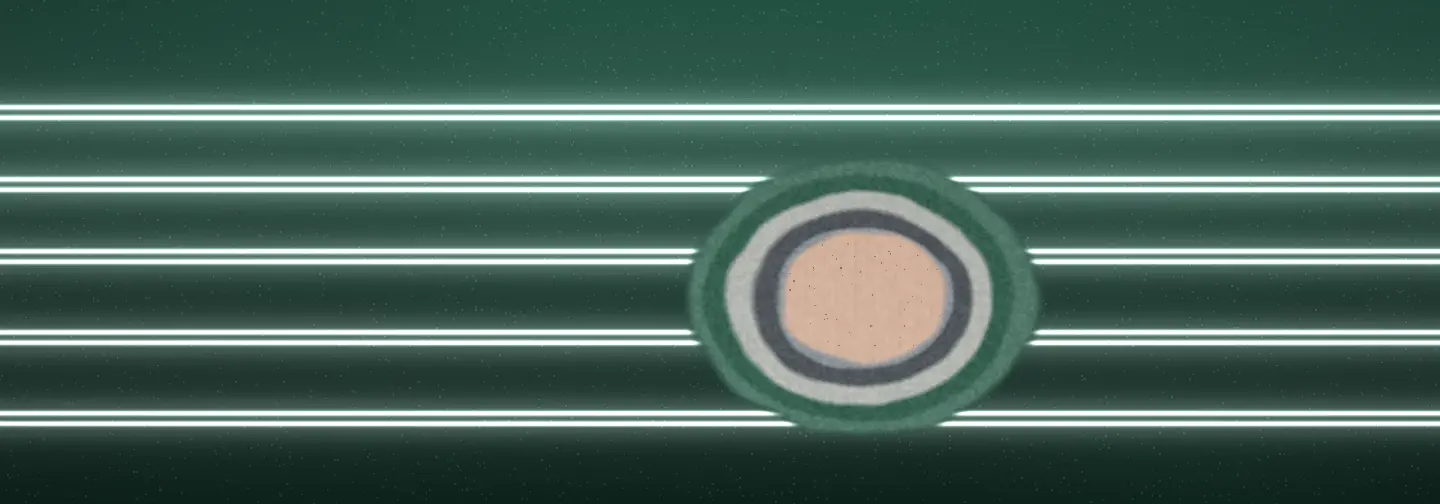
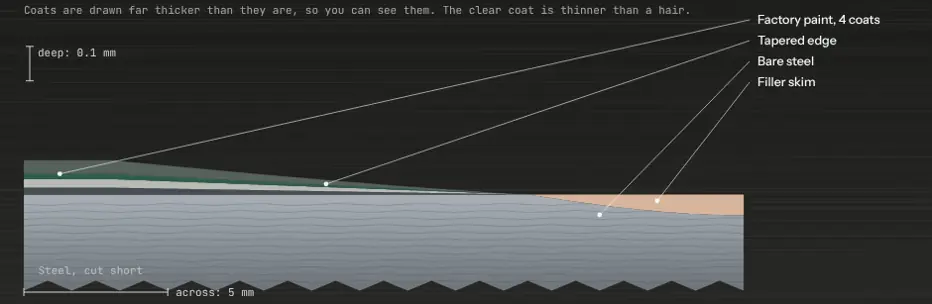
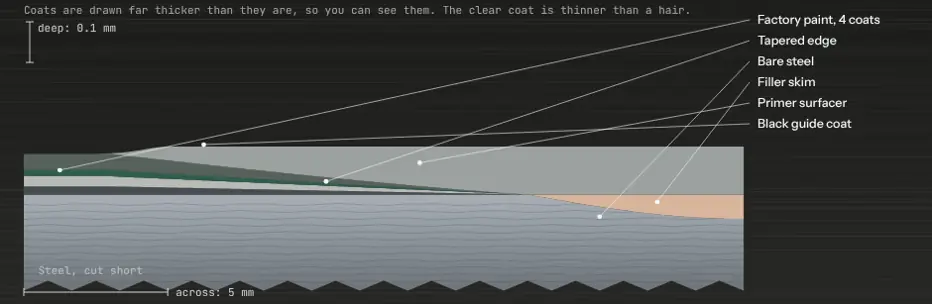
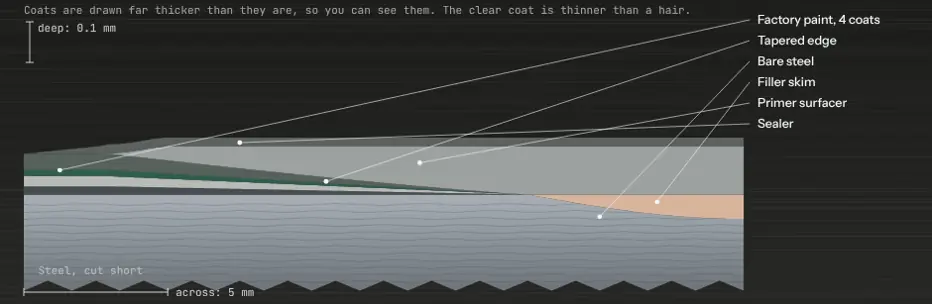
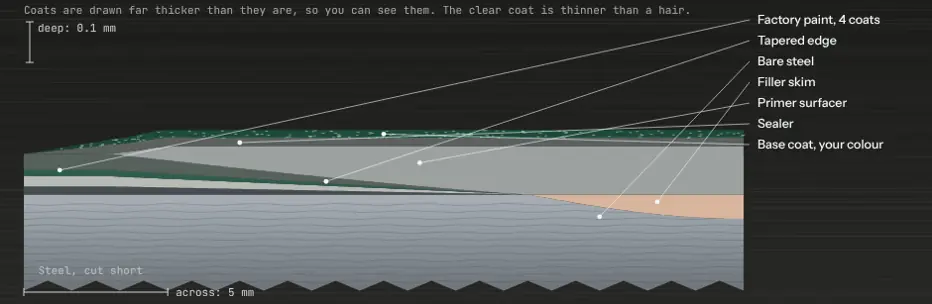
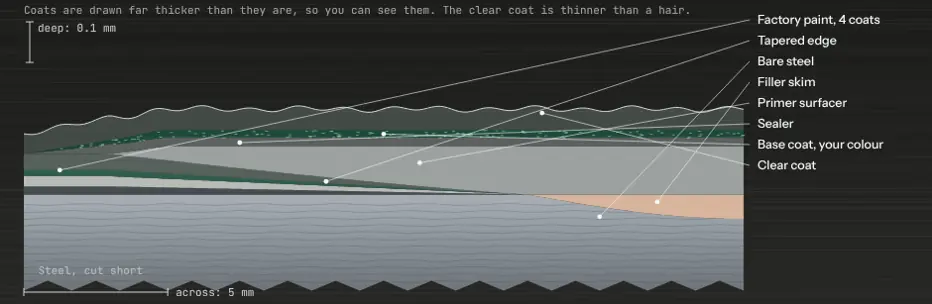
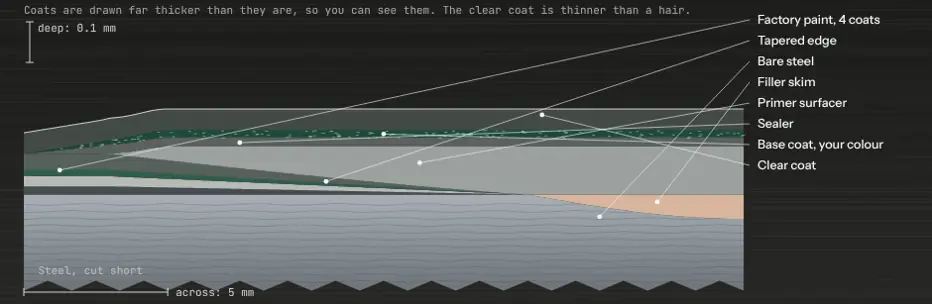
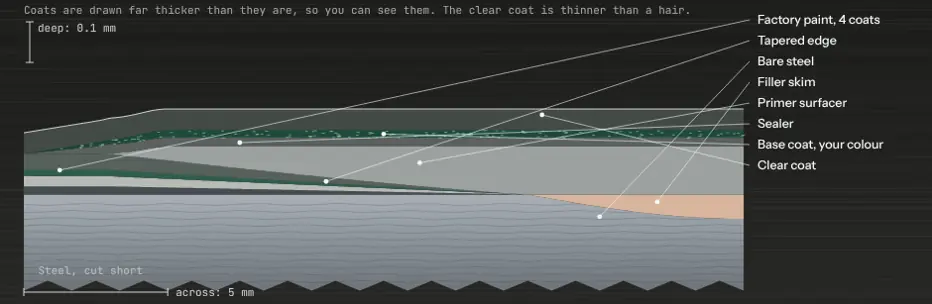
The pictures on the right are a cut through the paint at the line marked A. Coats are drawn far thicker than they are, so you can see them. The clear coat is thinner than a hair.
-
Step 1 of 10
Look and measure
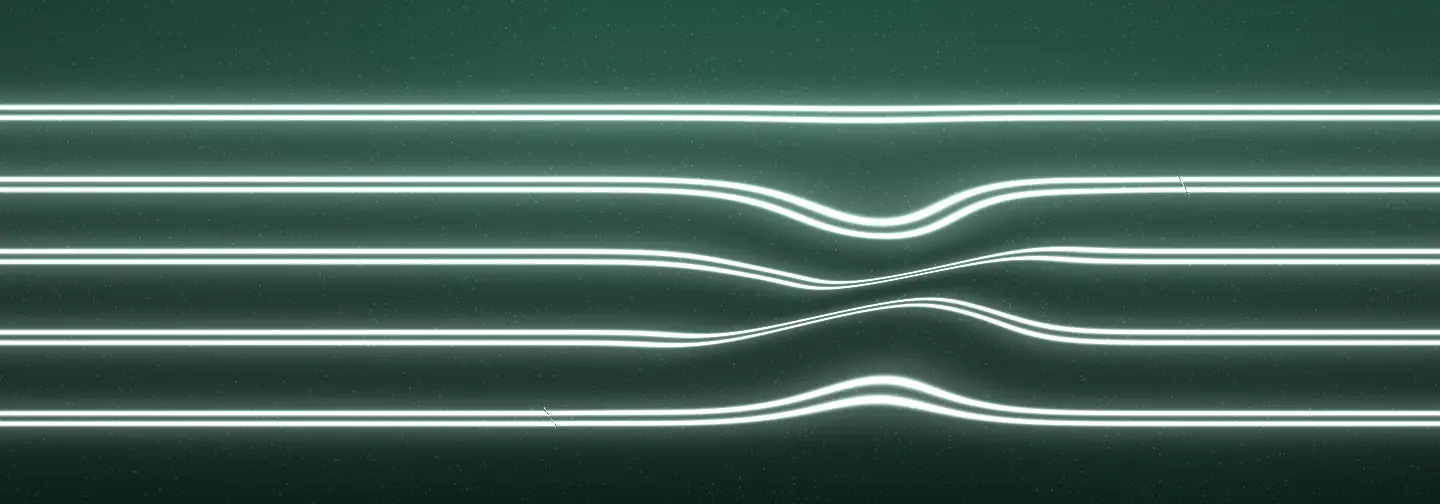
Under long lights, straight lines bend wherever the metal is out of shape. We trace the dent by its bend and measure it along the cut marked A.
-
Step 2 of 10
Pull the metal back
Small tabs are glued to the dent and pulled out. Then the metal is worked by hand until the lines almost run straight. A very shallow low is normal here.

-
Step 3 of 10
Sand down to bare steel
We sand off the old paint around the damage and taper its edge, so each old coat shows as a ring. Sanded paint is dull, so the lines of light stop there.
-
Step 4 of 10
A thin skim of filler
Body filler is a paste that sets hard. A skim thinner than a coin goes on the bare steel only, fills the shallow low, then gets sanded to the shape of the door.
-
Step 5 of 10
Primer, then a black dust test
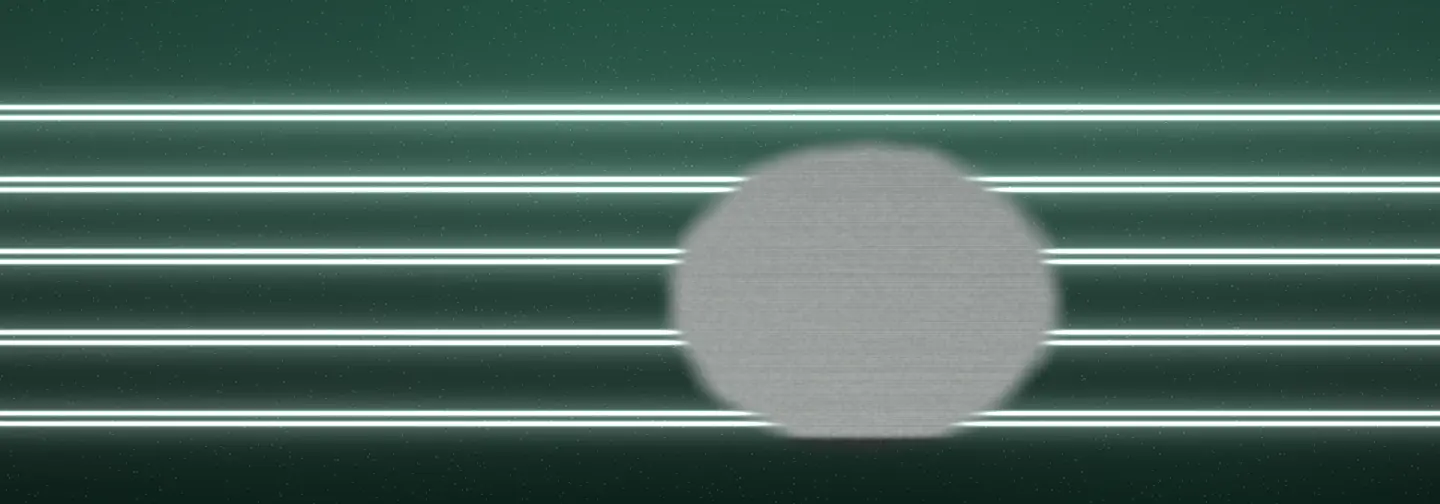
Primer surfacer is a thick grey coat that fills sanding marks. We dust it black and sand it with a long flat block. Black left behind marks a low spot, so we prime it again.
-
Step 6 of 10
Sealer
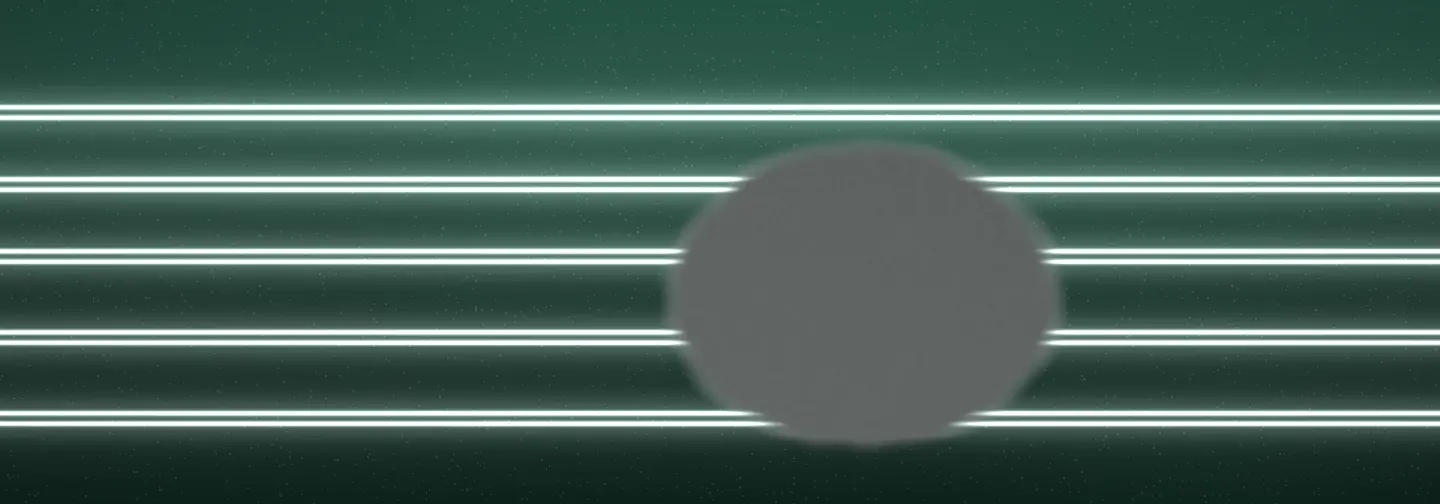
A thin, even coat over the whole repair. It gives the colour one surface to sit on, so new and old paint look the same.
-
Step 7 of 10
Base coat in your car’s colour
The colour is mixed to match your car and sprayed in light coats, each left to dry dull before the next. It fades into the paint around the repair, so there is no edge.

-
Step 8 of 10
Clear coat
Two coats of clear bring the shine back and protect the colour. The lines of light return, with a fine ripple painters call orange peel.

-
Step 9 of 10
Cure, then cut and polish
Once the paint has cured, we sand the ripple flat with very fine paper and polish it. The lines of light run sharp again.

-
Step 10 of 10
Back on the car
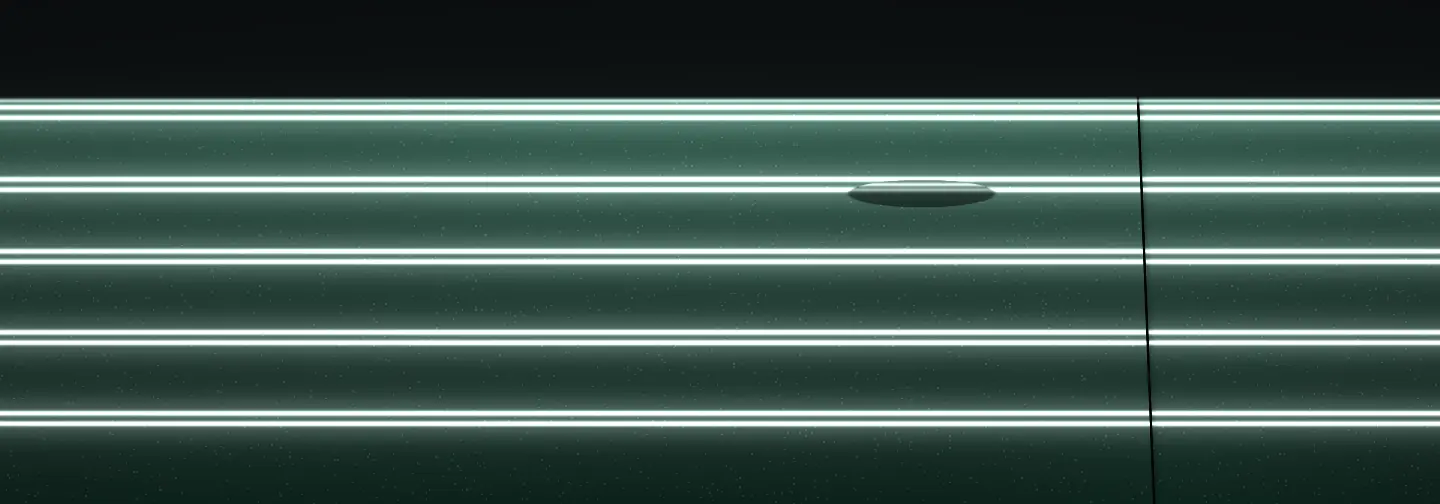
The door goes back on. Look along it: the lines of light run straight from the door, across the gap, onto the panel beside it.

What we fix
- Collision repair
- Damage from a crash, front, back or side, repaired and painted.
- Dents and dings
- From a door ding in a parking lot to a creased panel.
- Bumpers
- Cracked, scuffed or pushed in bumper covers, repaired or replaced.
- Scratches and scuffs
- Sanded out and refinished, so the scratch is gone, not hidden.
- Colour matched paint
- Mixed for your car and faded into the panels beside the repair.
- Insurance claims
- We work with your insurer on the claim and keep you posted.
Questions drivers ask
Will the paint match?
We mix the colour for your car and spray a test card first to check it in daylight. Then we fade it into the paint beside the repair.
Will it look patched?
It shouldn’t. When you pick up your car, look along the panel under a light. The lines should run straight.
How long will I be without my car?
It depends on the damage and on parts. Your written estimate says how many days, before any work starts.
Do I have to use my insurer’s shop?
In Ontario you choose who repairs your car. We work with your insurer on the claim.
Will you add work I didn’t ask for?
Everything is listed on your written estimate. If we find more damage once a panel is off, we call you before doing anything.
Reviews and warranty
Placeholders. A real shop shows its own reviews and warranty here.
Book a free estimate
Send photos of the damage, or pick a time to bring the car in. We reply with a written estimate.