KettlebayHeating and Cooling Concept by Airen · fictional business Book a home visitBook a visit
Concept by Airen · fictional business
A service drawing of the heat pump install

A home visit first

We start inside your house. We work out how much heat each room loses, and check your ducts and your electrical panel.

Heat from the outdoor air, with your furnace as backup.

Book a home visit for a written quote. We tell you which rebate programmes your home may qualify for.

Book a home visit No heat right now? Get help

Heating and cooling for North York homes

Kettlebay repairs furnaces and fits cold climate heat pumps in North York, Willowdale, Don Mills and East York.

Book a home visit No heat right now? Get help

Scroll to follow a heat pump install, from the yard to the thermostatScroll to follow the install

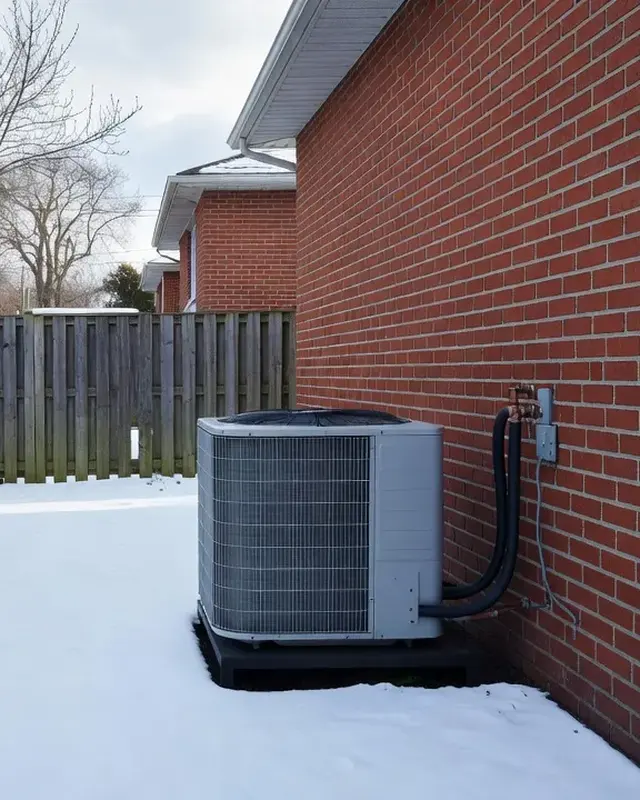
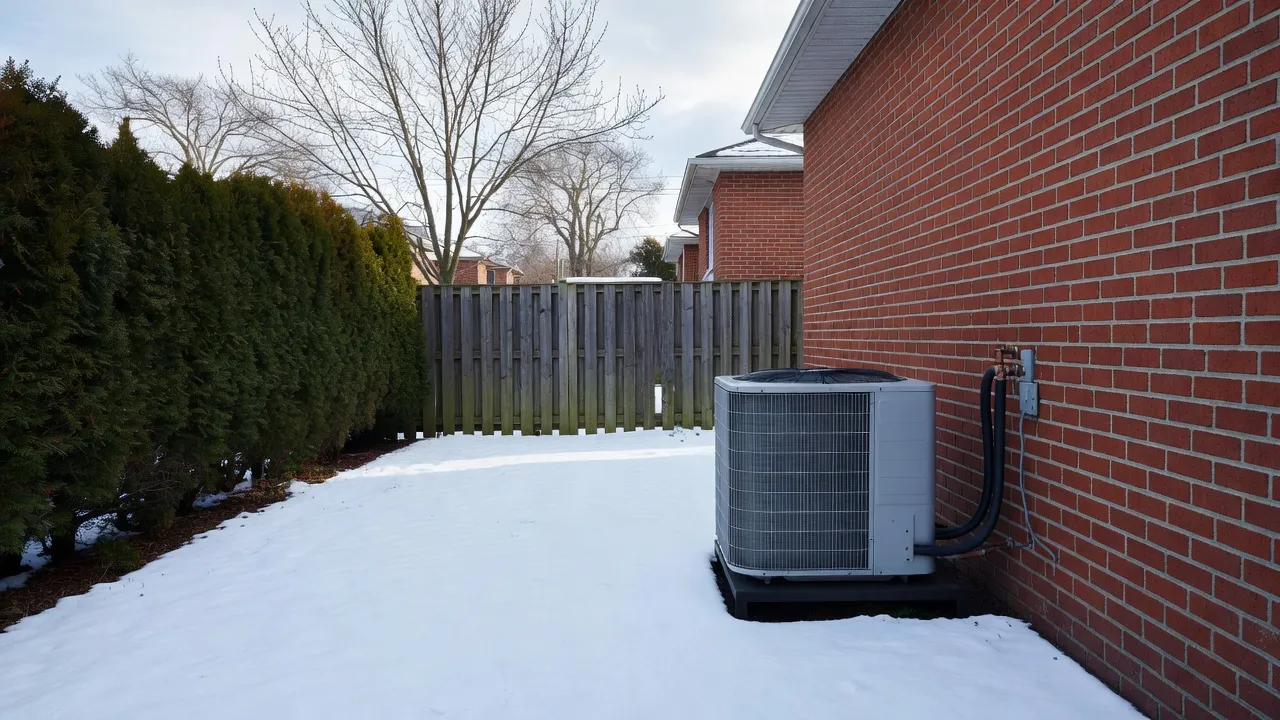
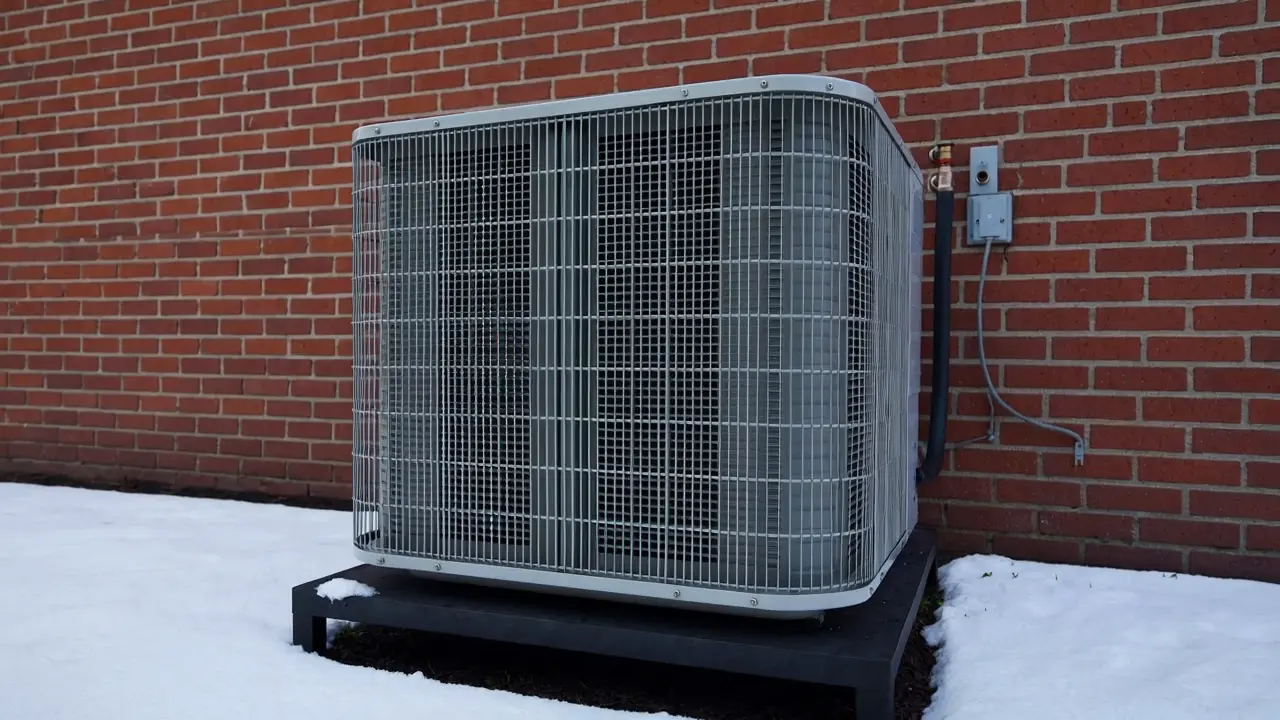
The back yard of a brick house after the first snow, with a new outdoor heat pump unit by the wall.
  1. The new outdoor heat pump unit on its raised stand by the brick wall.

    Step 1

    A home visit first

    We start inside your house. We work out how much heat each room loses, and check your ducts and your electrical panel. The outdoor unit then stands on a raised stand, level, clear of the snow and of water dripping off the roof, with room around it for air.

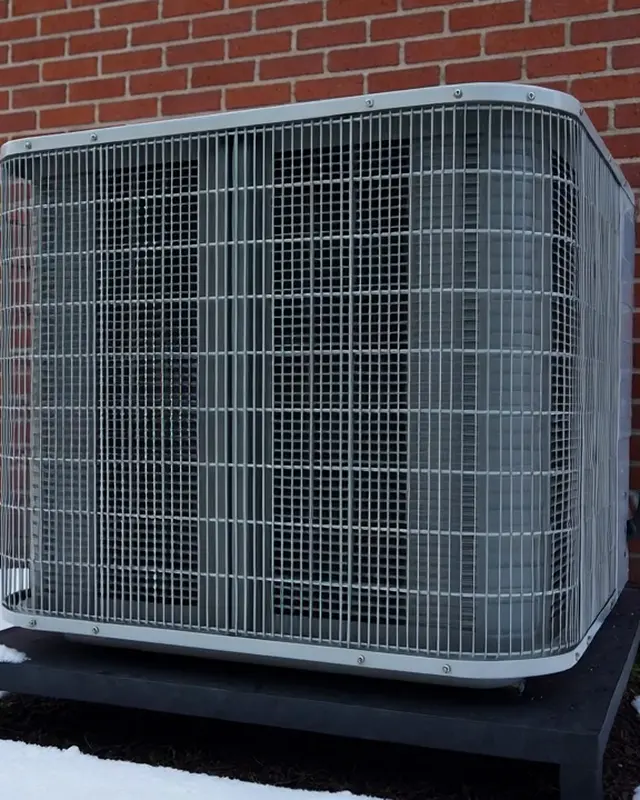
  2. A close view of the outdoor unit.

    Step 2 and 3

    Inside the outdoor unit

    On top, a fan pulls outdoor air through the unit. The coil takes heat from the outdoor air, even on cold days. The compressor, in a sound jacket, pumps the refrigerant round and raises its heat. The reversing valve switches between heating and cooling, the expansion valve lets the pressure drop, the control board runs it all, and the base pan drains the water from defrosting.

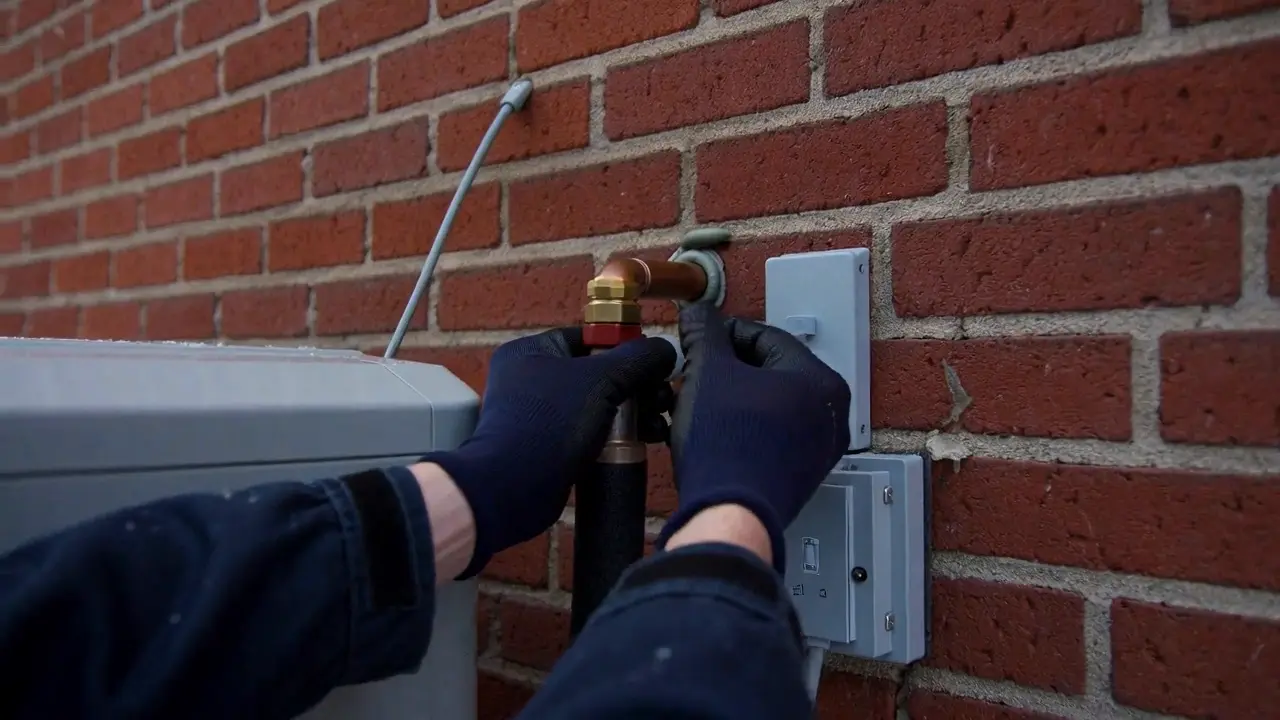
  3. Gloved hands sealing the copper lines where they enter the brick wall, beside the shut off switch.

    Step 4

    Lines and power

    Two insulated copper pipes and a control wire run from the unit up the wall, sealed where they go in. A new circuit from your panel ends at a shut off switch beside the unit. The electrical work is inspected.

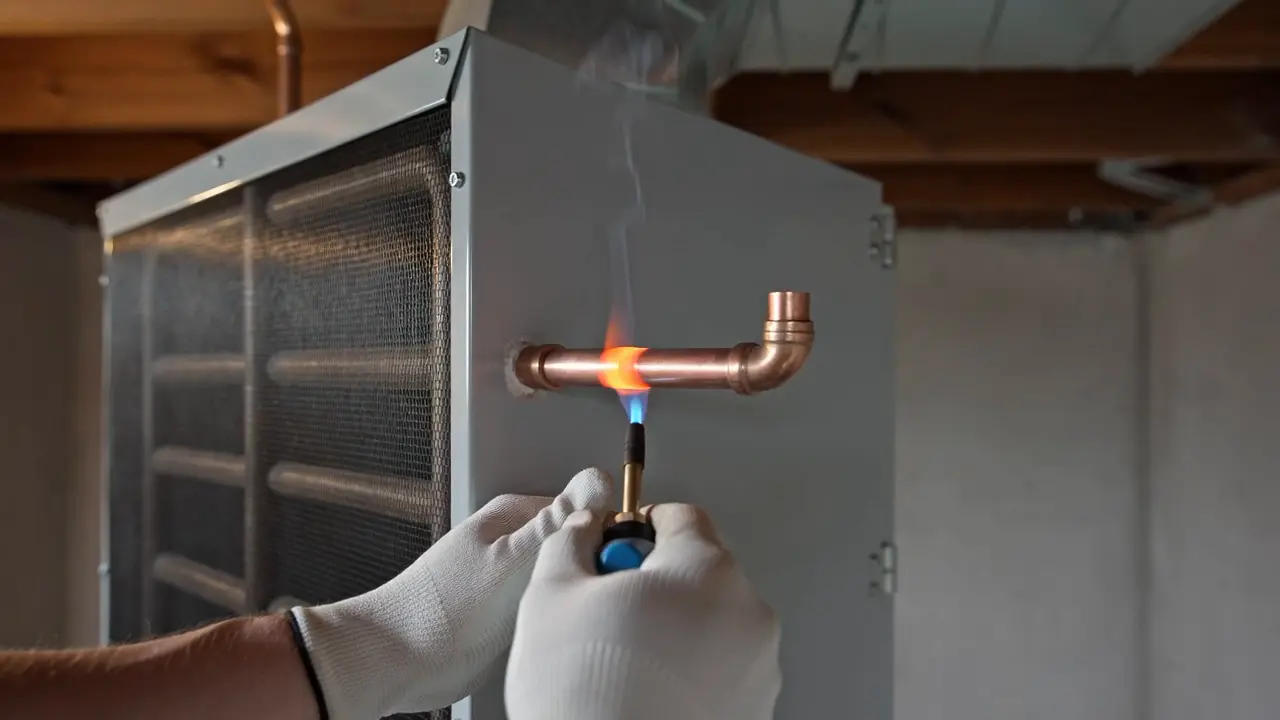
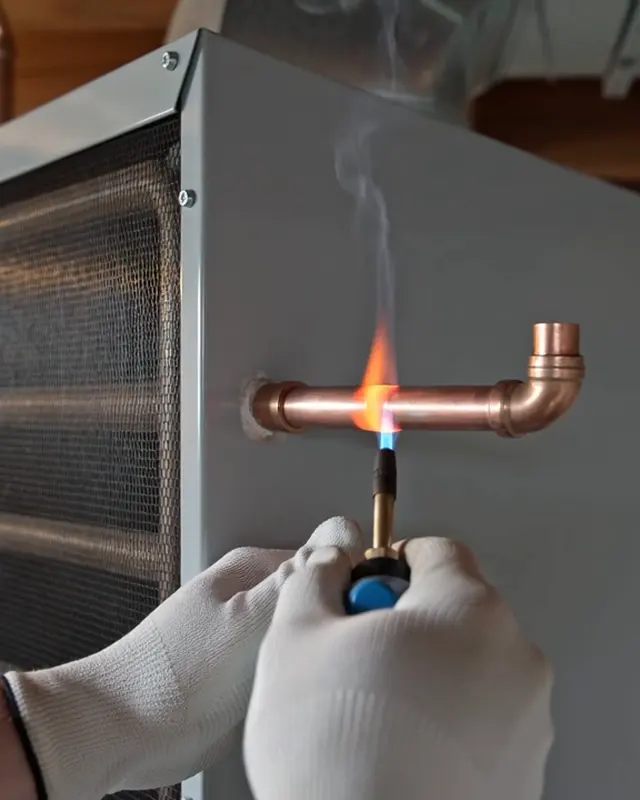
  4. A copper joint being brazed at the indoor coil in the basement.

    Step 5

    The indoor coil

    In the basement, the lines run along the joists to a new coil on top of your furnace, where warm air leaves it. A small drain line carries away the water it makes.

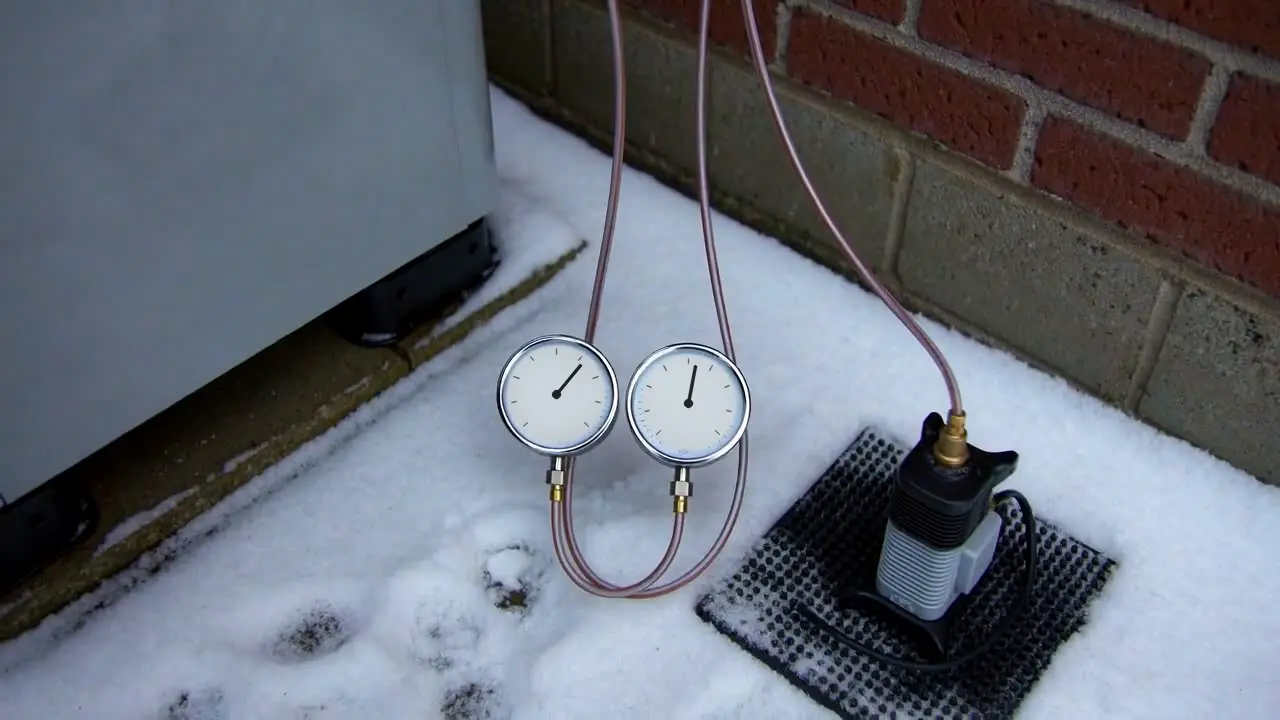
  5. Two gauges and a vacuum pump on a mat in the snow beside the unit.

    Step 6

    Brazed and tested

    We braze each copper joint closed and test the lines with nitrogen. Then a pump pulls a deep vacuum. When the gauges hold steady, the lines are dry and tight, and the refrigerant in the outdoor unit is released into them.

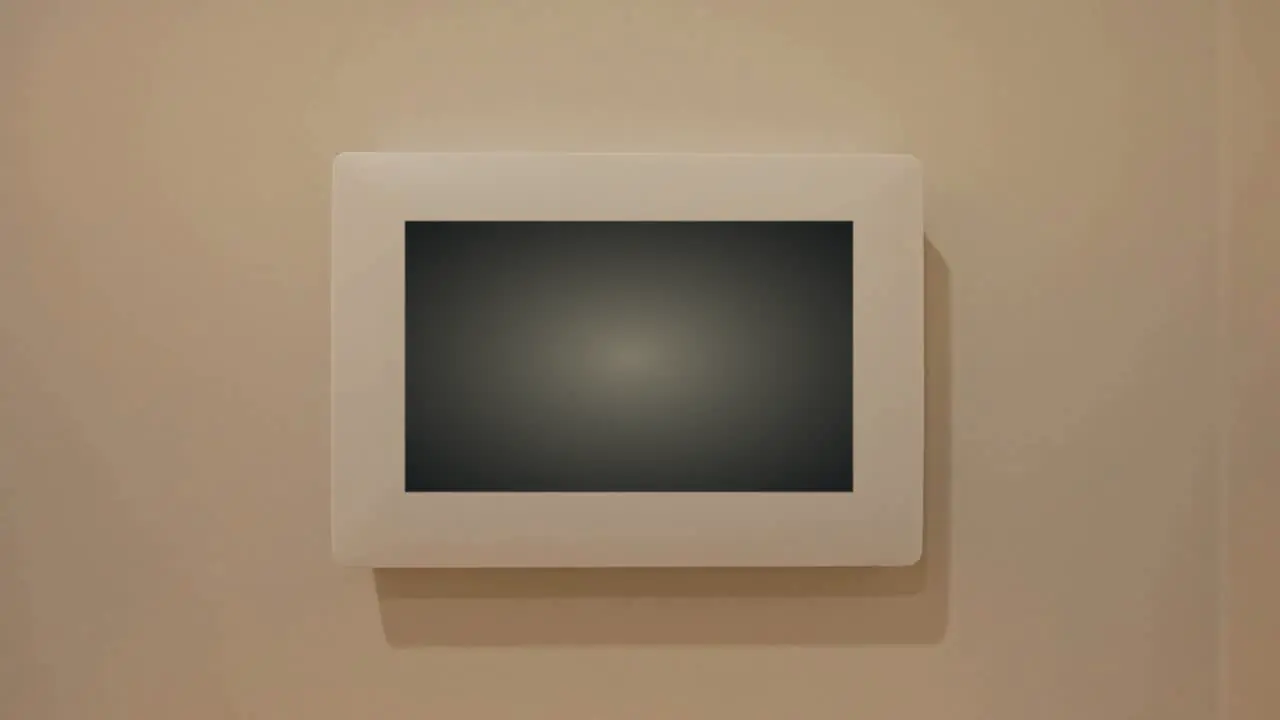
  6. A plain wall thermostat with a blank glowing face.

    Step 7

    One thermostat for both

    The new thermostat runs the heat pump and the furnace. The heat pump heats first. On the coldest days, the furnace takes over. This is called dual fuel.

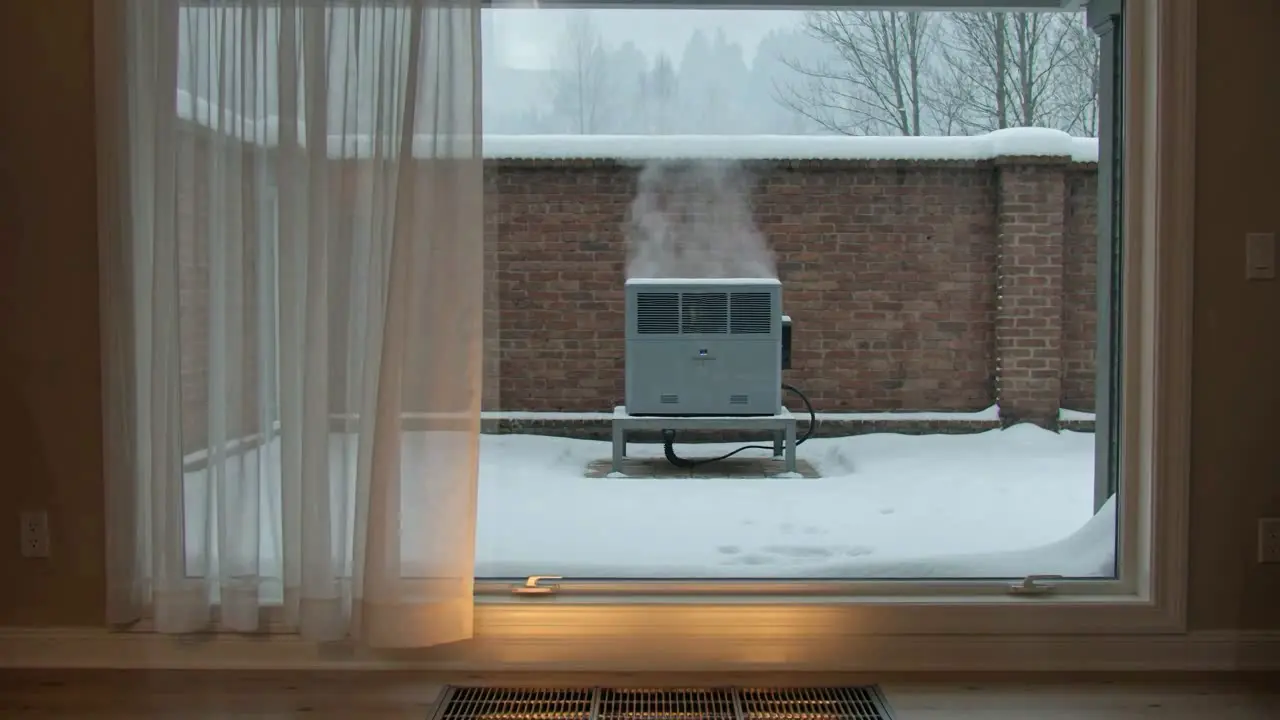
  7. The back window with the heat pump running in the snowy yard.

    Step 8

    Start up and check

    We check the airflow, the refrigerant charge and the defrost cycle, and feel for warm air at every room’s vent.

What we do

Heating and cooling for houses across North York and the streets around it.

  • Furnace repair and replacement

    We find out why it stopped and fix it, or replace it when it is worn out.

  • Cold climate heat pumps

    Added beside your furnace, or as your main heat with an air handler.

  • Ductless wall units

    For rooms your ducts don’t reach, like an attic room or an addition.

  • Central air conditioning

    Repaired or replaced, or swapped for a heat pump that cools too.

  • Yearly tune ups

    For furnaces and heat pumps, before the season they work hardest.

  • Thermostats, humidifiers and air filters

    Fitted and set up to work with your system.

The new outdoor heat pump unit on its raised stand beside the brick wall.

No heat right now?

Check three things first.

  1. The thermostat is set to heat, and set above the room’s temperature.
  2. The furnace switch is on. It looks like a light switch, on or near the furnace.
  3. The furnace filter isn’t clogged.

Still cold? Send the form with “No heat right now” and we call you back to set up a visit.

Get help with no heat

If you smell gas, leave the house and call your gas utility’s emergency line from outside.

A furnace in a basement with the new indoor coil on top and the copper lines joined to it.

Questions homeowners ask

Does a heat pump work in a Toronto winter?

Cold climate heat pumps keep heating well below freezing. Your furnace stays in place and takes over on the coldest days.

Will I need new ducts?

Usually not. The heat pump uses the ducts you have. We check them at the home visit.

Where does the outdoor unit go, and is it loud?

Beside the house, on a raised stand clear of the snow, with room around it for air. You hear the fan and a low hum. We pick the spot with you at the visit, away from bedroom windows where we can.

How long am I without heat?

Most of the work happens outside and around the furnace while it keeps running. The furnace is off only while the coil goes on and the lines are joined. We tell you when at the visit.

What does it cost?

We give you a written quote after the home visit. No work starts until you say yes to it.

What about rebates?

We tell you which programmes your home may qualify for at the visit.

Is this a permit job?

The electrical work for the outdoor unit is inspected, and we arrange the inspection.

Where we work

North York, Willowdale, Don Mills and East York.

Address and hours go here

Your Google reviews appear here

Your TSSA and ESA registration line goes here

Placeholders. A real heating company shows its own reviews and registrations here.

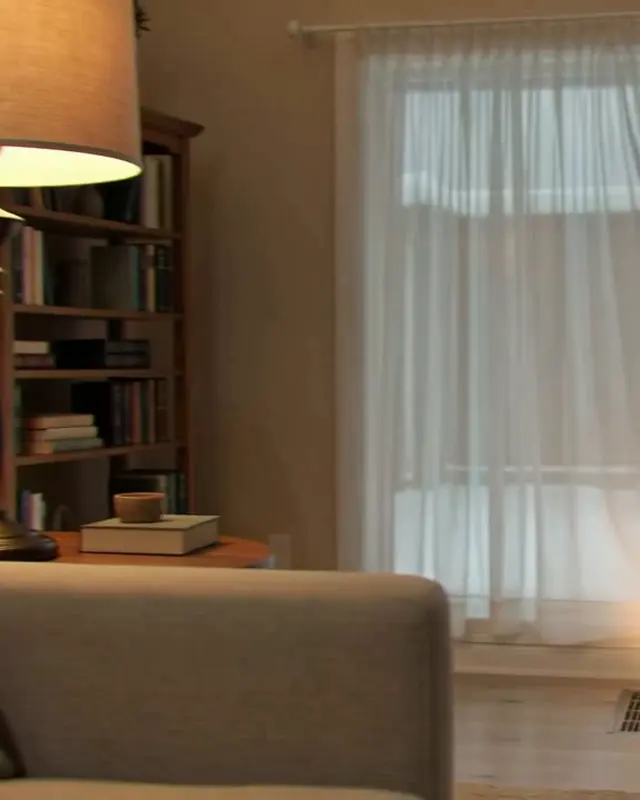
A warm living room on a winter morning.

Book a home visit

Tell us about your house and pick a time. We confirm by phone or email.

The back window with the new heat pump running in the snowy yard.
What do you need?

You get a written quote before any work starts.

Book a home visit No heat?